Hormone Modifications And Urological Wellness
Does Menopause Cause Urinary System Incontinence?
Since pelvic flooring weak point normally occurs as you age, women experiencing perimenopause are more probable to leakage urine throughout this time around. Pelvic flooring workouts, typically called Kegel exercises, help strengthen the muscle mass that sustain the bladder and urethra. Some females might likewise take advantage of dealing with a pelvic flooring physiotherapist. Doing so can aid you better target the best muscular tissues and create a much more targeted program for your requirements. This involuntary loss of pee can take place when pressure is put on the bladder and urethra, like when you laugh, cough, sneeze, or workout.Anal Prolapse Symptoms, Triggers, And Treatments
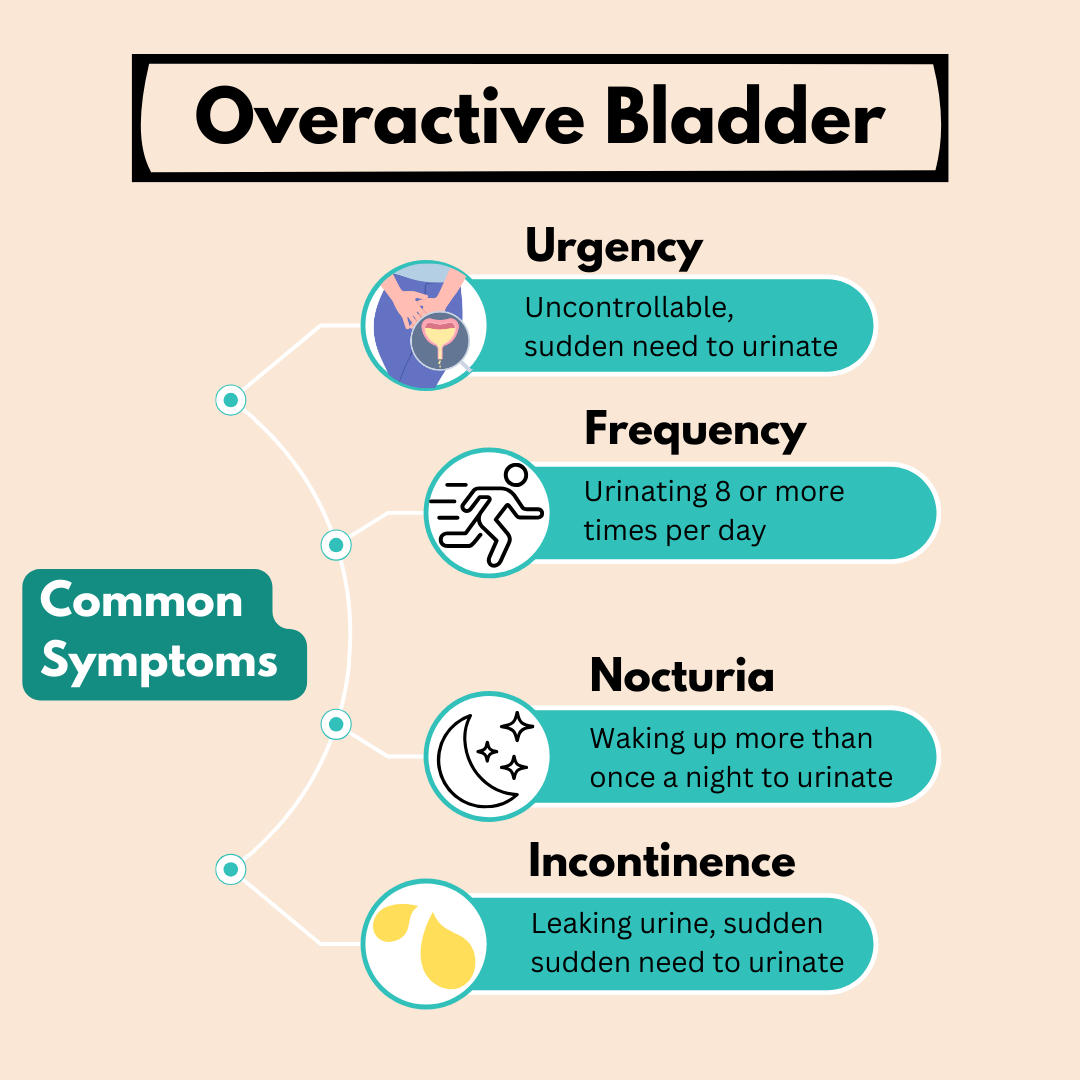
Kegel exercises entail relaxing and tightening up the pelvic floor muscular tissues. The pelvic flooring muscles, which lie between the tailbone and the pubic bone inside of the hips, aid regulate the circulation of urine. Tension urinary incontinence happens when the pelvic floor muscle mass come to be weak. Indication include urine leakage when chuckling, sneezing, coughing or lifting things. Prompt urinary incontinence (over active bladder) is caused by extremely active or aggravated bladder muscle mass.Menopause And Urinary Incontinence: Reasons, Therapies, And Relief Methods For 2025
She or he will additionally ask you great deals of inquiries about just how and when you leak, which will certainly help establish the kind of urinary incontinence you may have. Find out about perimenopause and how to prevent and treat bladder leaks throughout perimenopause in this write-up. These consist of topical Incontinence-Direct estrogen, alpha blockers, mirabegron, and anticholinergics. The accurate nature of the association between menopause and UI continues to be not fully illuminated.First, reduced testosterone can add to a loss of muscle mass, consisting of the weakening of the pelvic floor muscular tissues, which enhances the threat of urinary incontinence. Later on in life, the drastic decrease in estrogen throughout menopause creates the tissues of the urethra and bladder lining to become thinner, drier, and much less elastic. Because the pelvic flooring is no longer as solid, the day-to-day sensation of bladder stress feels far more intense. This frequently causes tension urinary incontinence (leaking when coughing or laughing) or an over active bladder that requires prompt, immediate washroom trips.
The dependence on self-reported data in some cases may cause under- or over-estimation of UI prevalence. In addition, the lack of standardization in just how UI is defined and measured across populaces makes it difficult to contrast results straight. Some researches likewise had tiny example sizes or were restricted by geographic or social elements, which might influence generalizability. By accumulating information extracted from important studies, recap tables were built to give a qualitative synthesis of research findings and important aspects. Upon completing information collection for the organized evaluation, the most efficient approach for analyzing and using the details from the included researches was established. Your medical professional or registered nurse will do a physical exam to try to find signs of health problems that can trigger urinary incontinence.
Why Does Menopause Raise The Threat Of Bladder Leakages?
- When the infection is gotten rid of, your UI will likely settle or improve.
- Still, without some kind of treatment-- whether that's way of living changes, pelvic flooring therapy, or clinical support-- urinary incontinence typically does not enhance its own.
- An additional fascinating impact estrogen carries the urinary system tract is how it helps the bladder fight off an infection.
- One major limitation of the current body of research is the variability in diagnostic tools and techniques across research studies.
Cut back on foods and beverages that irritate your bladder, such as zesty foods, tomato-based products, alcohol, and high levels of caffeine. You need to also maintain a healthy weight so your pelvic flooring doesn't experience additional pressure from excess weight. Your pelvic floor muscles regulate when you invalidate your bladder and hold your pelvic body organs in position.
You do not have to approve occasional bladder leak as an additional adverse effects of menopause or aging. In most cases, there are things you can do to quit and also avoid urinary system incontinence. Identifying hormone-related urological troubles begins with a detailed case history and physical exam. Blood examinations action hormonal agent degrees like testosterone, estrogen, and adrenal hormonal agents. These tests assist determine discrepancies that might be triggering symptoms such as frequent peeing or urinary incontinence. Amongst postmenopausal females, UI is still a common and intricate problem that has a considerable adverse impact on wellness and life high quality. There is no doubt that menopause, aging, and UI are related, but there is still much to learn about the underlying factors and functional treatment choices. The top quality of take care of postmenopausal females with UI can be improved by standardizing analysis treatments, emphasizing non-hormonal treatment, and dealing with socioeconomic and way of living factors. These and other campaigns will certainly be addressed in future research study and clinical method. Hormones play an essential function in preserving bladder control and general urinary wellness. Specifically, estrogen and progesterone aid sustain the bladder, urethra, pelvic flooring muscular tissues, and surrounding cells that collaborate to control urination. 